A few years ago, Artificial Intelligence (AI) sounded like something that belonged in science fiction. Today, it has become part of our daily lives. From voice assistants and recommendation systems to image generation and smart editing tools, AI is changing the way we work, learn, and create. This shift has also reached the creative industry, leading many students in Kolkata to ask an important question: Will AI replace creative professionals, or will it create even more career opportunities?
The answer is more encouraging than many people expect.
AI is changing workflows across animation, visual effects (VFX), gaming, UI/UX design, and graphic design. It can automate repetitive tasks, speed up production, and help professionals experiment with ideas more efficiently. However, AI cannot replace imagination, storytelling, artistic judgment, or empathy—qualities that remain at the heart of every successful creative project.
For students planning a career in the AVGC-XR (Animation, Visual Effects, Gaming, Comics, and Extended Reality) sector, learning how to work alongside AI has become just as important as learning industry-standard software. Professionals who combine creative thinking with technological skills are likely to be better prepared for the future.
In this blog, we’ll explore how AI is transforming creative careers, the new skills employers are looking for, and why students in Kolkata should see AI as a tool that enhances creativity rather than replaces it.
Understanding AI in the Creative Industry
Artificial Intelligence refers to computer systems that can analyze information, recognize patterns, generate suggestions, and automate repetitive processes.
In creative industries, AI is commonly used to assist with:
- Image enhancement
- Video editing support
- Object removal
- Motion tracking
- Audio clean-up
- Content organisation
- Layout suggestions
- Background generation
- Workflow automation
Rather than making creative decisions on its own, AI helps professionals complete routine tasks faster so they can focus on design, storytelling, and innovation.
Why Students Should Learn About AI
Technology continues to evolve, and employers increasingly expect creative professionals to adapt to new tools.
Learning AI concepts can help students:
- Improve productivity
- Understand modern creative workflows
- Explore new design techniques
- Work more efficiently on projects
- Stay competitive in the job market
However, AI works best when supported by strong creative fundamentals and practical skills.
How AI is Changing Animation Careers
Animation is one of the most exciting areas where AI is making an impact.
Today, AI-powered tools can assist with:
- Automatic lip-sync generation
- Facial animation support
- Motion clean-up
- Background creation
- Character pose suggestions
- Frame interpolation
These features reduce repetitive work and speed up production.
However, professional animators are still responsible for:
- Character acting
- Storytelling
- Emotional expression
- Timing
- Visual style
- Creative direction
The principles of animation remain as important as ever.
AI in the World of Visual Effects (VFX)
VFX production often involves detailed technical work.
AI is helping artists improve efficiency through:
- Automatic rotoscoping
- Object tracking
- Noise reduction
- Scene clean-up
- Colour matching
- Video upscaling
- Background replacement
These improvements save production time while allowing VFX professionals to focus on creating convincing visual effects and solving complex creative challenges.
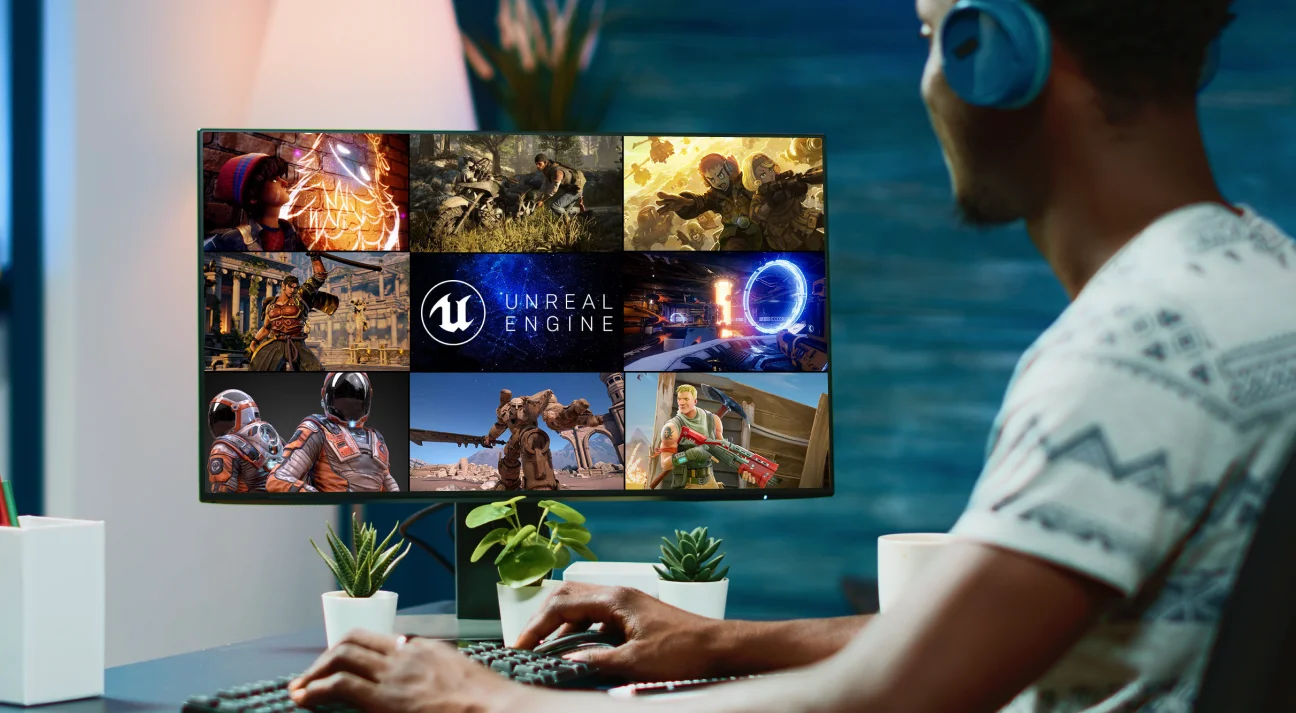
AI and the Future of Game Development
The gaming industry combines technology, storytelling, animation, design, and programming.
AI contributes to game development by supporting:
- Intelligent non-player characters (NPCs)
- Procedural environment generation
- Gameplay testing
- Asset optimisation
- Level design assistance
- Player behavior analysis
Even with these advancements, game designers continue to shape the gameplay experience by developing stories, balancing mechanics, designing levels, and creating memorable characters.
How AI is Influencing UI/UX Design
User Interface (UI) and User Experience (UX) design focus on making digital products functional, accessible, and enjoyable.
AI-powered tools help designers by:
- Analyzing user behavior
- Suggesting layouts
- Organizing design components
- Generating interface variations
- Personalizing user experiences
- Identifying usability issues
Despite these capabilities, human-centered design still depends on empathy, research, communication, and creative problem-solving.
Understanding user needs remains one of the most valuable skills in UI/UX design.
AI in Graphic Design
Graphic designers are increasingly using AI-assisted features to improve productivity.
Examples include:
- Background removal
- Image enhancement
- Color palette recommendations
- Typography suggestions
- Layout generation
- Content resizing
- Design variations
These tools simplify repetitive tasks but do not replace the creative thinking required for branding, advertising, packaging, and visual storytelling.
Successful graphic design continues to rely on originality and an understanding of audience expectations.
Skills That Will Always Matter
As AI becomes more common, employers continue to value professionals who have strong creative foundations.
Important skills include:
- Creativity
- Storytelling
- Design thinking
- Visual communication
- Problem-solving
- Collaboration
- Communication
- Time management
- Adaptability
- Attention to detail
These abilities help professionals use AI effectively without depending on it for every decision.
Why Human Creativity Remains Essential
AI can generate multiple design options based on existing information, but it cannot truly understand culture, emotion, or personal experience.
Creative professionals make decisions about:
- Brand personality
- Emotional impact
- Character development
- User behaviour
- Audience engagement
- Visual identity
These aspects require human judgment, making creativity one of the most valuable long-term skills.
New Career Opportunities in the AI Era
As AI becomes part of creative workflows, new opportunities are emerging across industries.
Professionals with creative and technical expertise may explore careers such as:
- Animator
- VFX Artist
- Graphic Designer
- Motion Graphics Designer
- UI Designer
- UX Designer
- Game Artist
- Game Designer
- Digital Illustrator
- Multimedia Designer
- Video Editor
- Visual Development Artist
Professionals who understand AI-assisted workflows alongside traditional creative techniques may have an advantage in the evolving job market.
Why Students in Kolkata Should Prepare for AI-Enabled Careers
Kolkata has a growing ecosystem of creative institutes, digital agencies, production houses, startups, and IT companies.
Students who learn both creative skills and AI-assisted workflows can:
- Build stronger portfolios
- Work more efficiently
- Adapt to changing industry expectations
- Explore wider career opportunities
- Collaborate on modern production pipelines
Combining technology with creativity creates greater flexibility in today’s job market.
The Importance of Project-Based Learning
Understanding AI conceptually is useful, but practical experience is equally important.
Students should work on projects that involve:
- Character design
- Motion graphics
- Video editing
- Interface design
- Branding
- Animation
- Interactive experiences
Arena Animation Barasat offers Real-world projects that encourage experimentation and help students develop confidence and build professional portfolios.
Preparing for the Future
Technology will continue to evolve, but creativity will remain the foundation of successful digital experiences.
Students who prepare for the future should focus on:
- Strong design fundamentals
- Continuous learning
- Practical software skills
- Ethical use of AI
- Portfolio development
- Collaboration
- Creative thinking
Professionals who embrace change while maintaining artistic quality are likely to adapt successfully to future industry demands.
Conclusion
Artificial Intelligence is transforming the way animation, VFX, gaming, UI/UX, and graphic design projects are planned and produced. It is speeding up workflows, improving efficiency, and opening new possibilities for creative experimentation. At the same time, the qualities that define outstanding creative professionals—imagination, storytelling, empathy, problem-solving, and originality—remain irreplaceable.
For students in Kolkata who aspire to enter the creative industry, the best approach is to build strong design and production skills while learning how to use AI responsibly as a professional tool. By combining creativity with technical expertise and a commitment to lifelong learning, aspiring artists and designers can prepare themselves for rewarding careers in an industry that continues to evolve with technology.
Frequently Asked Questions
AI is automating some repetitive tasks, but it is not replacing the need for creativity, storytelling, design thinking, or user research. Creative professionals who learn to work with AI are likely to remain in demand.
A basic understanding of AI is helpful, but students should first develop strong creative fundamentals such as design principles, animation techniques, visual communication, and problem-solving. AI tools become more valuable when built on these foundations.
AI is increasingly being used in animation, VFX, gaming, UI/UX design, graphic design, motion graphics, video editing, digital illustration, and multimedia production to streamline workflows and improve efficiency.
Creativity, communication, storytelling, empathy, design thinking, collaboration, adaptability, technical expertise, and continuous learning remain essential for long-term career success.
As digital media, entertainment, IT, advertising, and gaming industries continue to adopt AI-assisted workflows, students who combine creative talent with modern technical skills will be better prepared for emerging career opportunities in India and beyond.